


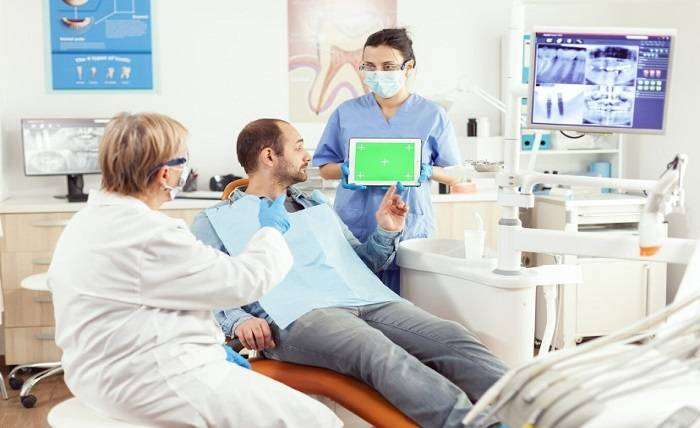
The field of dentistry has witnessed remarkable advancements in technology, revolutionizing the way dental professionals diagnose, plan treatments, and deliver care to patients. One such advancement that has transformed modern dentistry is the advent of 3D imaging technology. Three-dimensional (3D) imaging has revolutionized the field by providing detailed, high-resolution images of the oral and maxillofacial structures, offering unparalleled insights for diagnosis, treatment planning, and surgical procedures. In this blog, we delve into the role of 3D imaging in modern dentistry, exploring its benefits, applications, and impact on patient care.
Enhanced Diagnostic Capabilities
One of the primary benefits of 3D imaging technology in dentistry is its enhanced diagnostic capabilities. Traditional two-dimensional (2D) dental imaging techniques, such as conventional X-rays and panoramic radiographs, have limitations in providing detailed views of complex dental structures. In contrast, 3D imaging modalities, such as cone-beam computed tomography (CBCT), offer comprehensive, multi-dimensional views of the teeth, jawbones, temporomandibular joints (TMJ), and surrounding tissues.
With 3D imaging, dentists can accurately assess the anatomy of the oral and maxillofacial region, identify pathology, and detect abnormalities that may not be visible on conventional X-rays. This allows for early detection of dental issues such as impacted teeth, dental caries, cysts, tumors, and temporomandibular joint disorders. By leveraging 3D imaging technology for diagnosis, dentists can develop precise treatment plans tailored to each patient’s unique oral health needs, leading to more effective and personalized care.
Precise Treatment Planning
3D imaging plays a pivotal role in facilitating precise treatment planning for various dental procedures, including dental implant placement, orthodontic treatment, endodontic therapy, and oral surgery. By providing detailed anatomical information in three dimensions, CBCT scans enable dentists to accurately assess bone quality and quantity, evaluate the proximity of vital structures such as nerves and sinuses, and plan the optimal placement of dental implants.
Moreover, 3D imaging allows for virtual treatment planning, where dentists can simulate and visualize the proposed treatment outcomes before initiating procedures. This virtual planning enables dentists to anticipate potential challenges, refine treatment approaches, and achieve predictable results. By incorporating 3D imaging into treatment planning, dentists at The Hershman Group enhance precision, improve clinical outcomes, and minimize the risk of complications, ultimately enhancing the patient experience.
Guided Implant Surgery
Guided implant surgery is a cutting-edge dental procedure that utilizes 3D imaging technology to enhance the accuracy and predictability of dental implant placement. Guided implant surgery involves the use of computer-guided navigation systems that integrate CBCT data with virtual treatment planning software to create precise surgical guides for implant placement.
These surgical guides are custom-designed to fit each patient’s unique anatomy and provide precise guidance for the placement of dental implants in the optimal positions predetermined during virtual treatment planning. By following the guidance of the surgical guides, dentists at The Hershman Group place dental implants with unparalleled accuracy, ensuring optimal stability, function, and aesthetics.
Guided implant surgery offers numerous benefits, including reduced surgical time, minimal trauma to surrounding tissues, and faster healing and recovery for patients. Additionally, guided implant surgery enhances the longevity and success rates of dental implants, leading to improved patient satisfaction and outcomes.
Orthodontic Treatment Planning
In orthodontics, 3D imaging technology has revolutionized treatment planning and outcomes by providing detailed insights into dental and skeletal relationships. Orthodontists utilize 3D imaging modalities such as CBCT scans to assess craniofacial anatomy, evaluate dental and skeletal discrepancies, and plan orthodontic treatments with precision.
By analyzing 3D images, orthodontists can visualize the spatial relationships between teeth, roots, and supporting structures, enabling them to develop customized treatment plans that address malocclusions, crowding, spacing, and other orthodontic issues effectively. Additionally, 3D imaging allows orthodontists to evaluate airway dimensions and temporomandibular joint anatomy, providing valuable information for comprehensive orthodontic treatment planning.
Furthermore, 3D imaging facilitates the creation of digital models and virtual simulations that enable orthodontists to demonstrate treatment outcomes to patients, improving communication and treatment acceptance. By incorporating 3D imaging into orthodontic treatment planning, dentists at The Hershman Group achieve more predictable results, optimize treatment efficiency, and enhance patient satisfaction.
Impact on Patient Care and Experience
The integration of 3D imaging technology into dental practices has had a profound impact on patient care and experience. Patients benefit from the enhanced diagnostic capabilities, precise treatment planning, and improved clinical outcomes enabled by 3D imaging. With 3D imaging, patients receive more accurate diagnoses, personalized treatment plans, and streamlined treatment procedures, leading to improved clinical outcomes and overall satisfaction.
Moreover, 3D imaging technology enhances patient safety by minimizing radiation exposure and reducing the need for invasive procedures. By providing comprehensive anatomical information in three dimensions, 3D imaging enables dentists at The Hershman Group to plan and perform treatments with greater precision, minimizing the risk of complications and optimizing patient safety.
Additionally, the ability to visualize treatment outcomes and actively participate in treatment planning enhances patient engagement and satisfaction. Patients appreciate being involved in the decision-making process and having a clear understanding of their treatment options and expected outcomes. By empowering patients with information and involving them in their care, 3D imaging technology improves patient communication, satisfaction, and overall experience in dental practices.
3D imaging technology has revolutionized modern dentistry by providing enhanced diagnostic capabilities, precise treatment planning, and improved clinical outcomes. From enhanced diagnostic capabilities to precise treatment planning and guided implant surgery, 3D imaging technology offers numerous benefits for both dental professionals and patients. By incorporating 3D imaging into routine dental practice, dentists at The Hershman Group deliver more personalized, efficient, and effective care, ultimately improving patient outcomes and satisfaction. As technology continues to evolve, the role of 3D imaging in modern dentistry will continue to expand, shaping the future of dental diagnostics, treatment planning, and patient care.