


Osteoporosis, a condition characterized by weakened bones and increased fracture risk, affects millions of people worldwide. Early detection and management are crucial for preventing bone loss and reducing the risk of fractures. Bone density tests are essential tools for diagnosing osteoporosis and assessing bone health. This article explores the types of bone density tests, their significance, and what the results mean for individuals at risk of or diagnosed with osteoporosis.
What is a Bone Density Test?
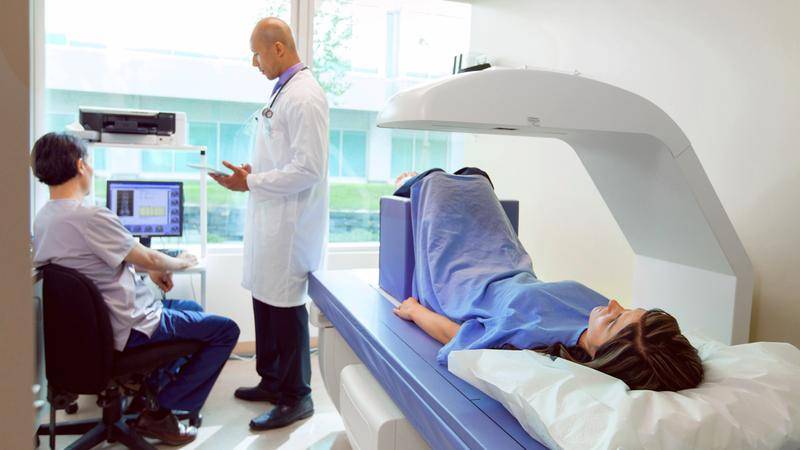
A bone density test, also known as bone densitometry or dual-energy X-ray absorptiometry (DEXA), measures the amount of mineral content in specific areas of your bones, usually the spine, hip, and sometimes the forearm. The test is non-invasive, quick, and painless, providing valuable information about bone strength and density.
Types of Bone Density Tests
1. Dual-Energy X-ray Absorptiometry (DEXA):
DEXA is the most common and widely used bone density test. It uses low-dose X-rays to measure bone mineral density (BMD) at critical sites such as the spine and hip. DEXA scans are highly accurate and are considered the gold standard for diagnosing osteoporosis.
2. Quantitative Computed Tomography (QCT):
QCT is another type of bone density test that uses computed tomography (CT) scans to measure BMD. It provides a three-dimensional image of the bone and can measure both cortical and trabecular bone density. However, QCT is less commonly used due to higher radiation exposure compared to DEXA.
3. Peripheral DEXA (pDEXA):
pDEXA measures bone density in peripheral sites, such as the wrist, heel, or finger. While it is less comprehensive than central DEXA, pDEXA can be useful for initial screening and assessing bone density in people who may not require a full DEXA scan.
Why Bone Density Tests are Important
Bone density tests are crucial for diagnosing osteoporosis, assessing fracture risk, and monitoring the effectiveness of treatment. Here’s why these tests are important:
1. Early Detection:
Osteoporosis is often called a “silent disease” because it progresses without noticeable symptoms until a fracture occurs. Bone density tests can detect low bone density before fractures happen, allowing for early intervention and treatment.
2. Assessing Fracture Risk:
Low bone density increases the risk of fractures, particularly in the spine, hip, and wrist. Bone density tests help identify individuals at high risk of fractures, enabling healthcare providers to implement preventive measures.
3. Monitoring Treatment:
For individuals already diagnosed with osteoporosis, bone density tests are essential for monitoring the effectiveness of treatment. Regular testing can show whether bone density is improving, stable, or declining, guiding adjustments in treatment plans.
Understanding Bone Density Test Results
The results of a bone density test are usually reported as T-scores and Z-scores, which compare your bone density to standard reference values.
1. T-Score:
The T-score compares your bone density to that of a healthy young adult of the same gender. It indicates whether your bone density is normal, low (osteopenia), or very low (osteoporosis).
- Normal: A T-score of -1.0 or above
- Osteopenia: A T-score between -1.0 and -2.5
- Osteoporosis: A T-score of -2.5 or below
- Severe Osteoporosis: A T-score of -2.5 or below with one or more fractures
2. Z-Score:
The Z-score compares your bone density to that of other people of the same age, gender, and body size. It helps identify whether an underlying condition, other than age-related bone loss, is contributing to low bone density.
- Normal Z-Score: A Z-score of -2.0 or above is considered within the expected range for your age.
- Low Z-Score: A Z-score below -2.0 may indicate that factors other than aging are contributing to bone loss.
What to Do After a Bone Density Test
Understanding your bone density test results is the first step in managing bone health. Depending on the results, your healthcare provider may recommend several steps:
1. Lifestyle Changes:
Adopting a bone-healthy lifestyle can help improve bone density and reduce fracture risk. Recommendations may include:
- Adequate Calcium and Vitamin D Intake: Ensure you get enough calcium and vitamin D through diet, supplements, or a combination of both.
- Regular Exercise: Engage in weight-bearing and muscle-strengthening exercises to build and maintain bone density.
- Avoid Smoking and Limit Alcohol: These habits can weaken bones and increase fracture risk. Quitting smoking and reducing alcohol intake can improve bone health.
2. Medications:
For individuals with osteoporosis or at high risk of fractures, medications may be prescribed to strengthen bones and reduce fracture risk. Common medications include bisphosphonates, selective estrogen receptor modulators (SERMs), parathyroid hormone (PTH) analogues, and RANK ligand inhibitors.
3. Follow-Up Testing:
Regular follow-up bone density tests may be recommended to monitor changes in bone density and assess the effectiveness of treatment. The frequency of testing depends on individual risk factors and treatment plans.
4. Addressing Underlying Conditions:
If an underlying condition or medication is contributing to low bone density, your healthcare provider may recommend additional tests or changes in treatment. Managing these underlying factors is crucial for improving bone health.
Conclusion
Bone density tests are essential tools for diagnosing osteoporosis, assessing fracture risk, and monitoring treatment effectiveness. Understanding the types of tests, interpreting the results, and taking appropriate actions can help individuals maintain strong bones and reduce the risk of fractures. By adopting a bone-healthy lifestyle, seeking medical advice, and following recommended treatments, individuals can take proactive steps to protect their bone health and improve overall quality of life. Early detection and intervention are key to managing osteoporosis and ensuring a healthy, active life.