


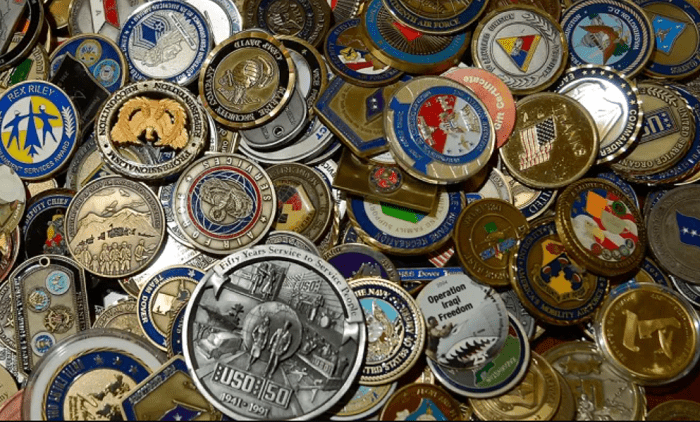
Challenge coins serve as enduring symbols of camaraderie, achievement, and shared identity in both military and civilian circles. These small medallions, often distinguished by custom challenge coins featuring unique insignias, have stories and traditions that continue to captivate collectors, veterans, and members of diverse organizations today.
Throughout their history, challenge coins have evolved from simple tokens of recognition to powerful emblems of unity and pride. Their role extends far beyond their military roots, finding a place in modern institutions that value teamwork and excellence.
Origins of Challenge Coins
The true beginnings of challenge coins are debated, but one of the most enduring tales originated during World War I. According to this legend, a wealthy lieutenant from the United States gifted bronze medallions to his squadron. One pilot, captured and left without official identification, managed to escape and used his medallion to confirm his allegiance to Allied forces. This dramatic escape story demonstrates how these coins fostered a strong sense of unity and identity among those who possessed them.
While several versions of their origin exist, all put a spotlight on the coins’ role in cementing bonds and building trust. Over time, these objects gradually became status symbols within military communities, earned rather than simply handed out.
Evolution Through Military History
Challenge coins gained wider recognition during World War II. Reports indicate that personnel from the Office of Strategic Services used such coins to identify themselves in Nazi-occupied territories. Stories from the Vietnam War reveal how these coins grew in popularity to promote camaraderie and boost morale among units. Their growth paralleled the need for shared symbols of pride and proof of allegiance during high-stress situations.
As these practices continued, coins began to signify much more than just membership. They recognized acts of valor, years of service, or team accomplishments. The evolution of challenge coins reflects the importance of meaningful mementos in reinforcing group solidarity and individual achievement. For background on the broader significance of military traditions, see this primer by History.com.
Design and Symbolism
Each challenge coin is marked by its distinctive design. Most coins present an organization’s insignia, motto, or unique symbol. They come in various shapes, such as circles, shields, or even dog tag styles. Materials used range from relatively inexpensive pewter to precious metals like gold. Designs can be minimalist, or they may feature intricate details and colored enamel to highlight values and identity.
The diversity in design allows organizations to tell their stories, honor traditions, and recognize notable accomplishments. In recent years, technological advances and creative input have helped coins become artful keepsakes that are often highly prized by recipients.
Traditions and the “Challenge”
A well-known ritual revolves around the “challenge.” This occurs when a group member presents their coin, prompting others to do the same. Anyone unable to produce their coin may be required to buy drinks for the group, while successfully meeting the challenge can lead to friendly bragging rights. This tradition is not just a playful custom: it reinforces the importance of carrying the coin as a symbol of membership and mutual respect.
The challenge has transcended the military. In various organizations, similar customs contribute to bonding experiences and moments of levity, often becoming stories retold for years.
Expansion Beyond the Military
Challenge coins have made their way into a range of non-military organizations, such as fire and police departments, corporations, and sports teams. The Washington Nationals baseball team, for example, created its own coin to honor military service and cultivate a sense of unity and appreciation among team members. This reflects how challenge coins can build morale and establish shared identity far beyond their original context.
Other organizations use these coins in employee recognition programs or as memorabilia for special events, demonstrating their growing role in fostering teamwork and excellence in diverse fields.
Collecting and Personal Significance
The act of collecting challenge coins has transformed into a rewarding hobby for many. Enthusiasts are drawn to the coins’ unique designs and the personal stories they represent. Each coin can signify a meaningful experience, an act of bravery, or an important milestone in the bearer’s life. Collections may start with a token received for exceptional service or an exchange with a respected colleague, eventually growing into displays of personal history and pride.
For recipients, these coins often become cherished reminders of camaraderie and accomplishment, serving as lasting tokens of experiences shared with others and the values they uphold.
Conclusion
The legacy of challenge coins is one of unity, honor, and tradition. Whether within the military or civilian organizations, these coins continue to symbolize the commitment and excellence of their bearers. Their enduring relevance shows that these small tokens are much more than souvenirs. They are emblems of bonds and experiences that span generations.