


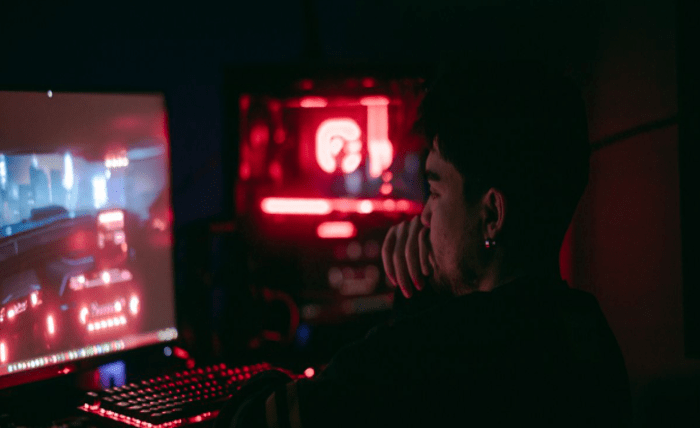
Have you ever made a friend in a game who lives thousands of miles away? That simple moment says a lot about why online gaming keeps bringing people together across borders. It creates shared spaces where language, distance, and daily routines matter a little less than teamwork, timing, and mutual interest.
What makes online gaming different from older forms of entertainment is that people are not just watching or reading the same thing. They are acting together in real time. They solve problems, compete, build plans, and react to each other. That interaction turns a hobby into a social habit, and social habits are what communities grow around.
As internet access expanded and multiplayer features became normal, gaming turned into one of the easiest ways for people from different countries to meet regularly. The result is not just bigger player groups, but lasting communities built on shared experience.
Shared Goals Create Fast Connections
One reason online gaming connects people so quickly is simple: doing something together builds trust.
Teamwork Speeds Up Social Bonds
When players work toward the same objective, they start communicating with purpose almost immediately. A match, mission, or building project gives everyone a role. Even if players begin as strangers, repeated cooperation often turns short exchanges into familiar conversation. People learn who stays calm under pressure, who likes to lead, and who keeps the mood light.
Success And Failure Feel Collective
Communities grow faster when people share emotional moments. Winning a close match or recovering from a bad round creates stories that groups remember. Losing can also bring people closer when the group talks through what happened and tries again. In many gaming spaces, people return less for the activity itself and more for the group they have come to know.
Games Create A Common Language
Another big reason these communities cross borders is that games give people a practical way to communicate, even with limited shared vocabulary.
Actions Often Speak First
Players do not always need perfect grammar to cooperate. Movement, timing, item sharing, map awareness, and simple signals can carry a lot of meaning. Over time, players also pick up common terms used by the community. That makes gaming one of the few online spaces where people can connect first and improve communication naturally afterward.
Community Terms Build Identity
Groups often develop their own slang, jokes, and references. Even phrases from other corners of internet culture can show up in chat and become part of the local rhythm. A term like slot gacor might appear in conversation as players swap expressions they have seen online, and those small exchanges can lead to curiosity about each other’s language and culture.
That kind of shared vocabulary helps people feel like insiders. It creates belonging, which is one of the strongest reasons communities last.
Regular Play Turns Strangers Into Familiar Faces
Consistency matters, and online games make repeat contact easy.
Routine Creates Real Community
People often log in at the same times each week, which means they keep seeing the same names. Familiarity lowers social distance. What starts as a quick greeting before a match can slowly become longer conversations about school, work, family life, or local customs. Communities do not always form through big moments. Many grow through small, repeated contact.
Low Pressure Interaction Helps People Open Up
Gaming also gives people something to do while they talk. That matters because conversation can feel easier when it is not the only focus. Players can chat while completing tasks, exploring maps, or waiting between rounds. The activity reduces pressure, which helps shy people join in and stay involved.
Cultural Exchange Happens Naturally
Cross-border communities stay active because people learn from each other without it feeling like a lesson.
Everyday Talk Builds Understanding
When players spend time together, they start comparing holidays, food, humor, schedules, and social habits. These conversations often happen casually between matches. That casual format makes cultural exchange feel normal instead of formal. People ask questions, clear up assumptions, and gain a more personal view of places they may never visit.
Shared Spaces Reduce Distance
Online games can make faraway places feel more familiar because the people there stop being abstract. They become teammates, rivals, and friends. In some communities, a username like ZEUS222 becomes known not just for skill, but for personality, reliability, and humor. That shift from anonymous stranger to recognized community member is a big reason borders feel smaller inside gaming spaces.
Communities Last Because They Expand Beyond The Game
Strong gaming communities often continue even when people are not actively playing.
Conversation Moves Into Daily Life
Once a group becomes comfortable, members often keep talking about things outside the game itself. They discuss news, sports, study stress, travel plans, and daily routines. The original activity still matters, but the social connection gets broader. That is often the point where a player group becomes a real community.
People Stay For Belonging
Online gaming continues to build communities across borders because it combines shared goals, regular contact, and easy conversation in one place. It gives people a reason to show up, a structure for interaction, and enough repetition for trust to grow. For many players, the strongest part of online gaming is not just competition or progress. It is the feeling that somewhere, in another country and another time zone, familiar people are ready to play, talk, and connect again.